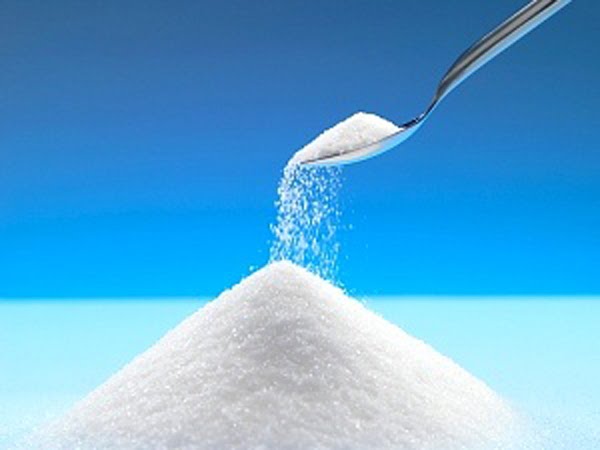
Sugar moves into your bloodstream so quickly, it overwhelms the body’s natural insulin response and causes chronically high blood sugar levels. In fact, sugar in its many forms (candy, baked goods, sodas and a wide variety of added sweeteners) is like poison for those with diabetes or prediabetes. It leads to obesity, insulin resistance, metabolic syndrome and, eventually, diabetes and all its complications.
1. Excess sugar causes blood sugar to spike. Your body needs small amounts of sugar for energy, all of which can be satisfied by eating whole foods that release sugar slowly into your body. The foods you eat are converted into serum glucose and ushered into the cells by the hormone insulin, which is normally secreted by the pancreas in reaction to glucose in the bloodstream. The more intact the food, the lower it is on the glycemic index (GI), meaning it releases its sugars slowly for steady energy and well-being.
Sugar in all its forms and refined, processed carbohydrates such as breads, crackers, noodles and other white flour products are high on the glycemic index (GI), which means they convert into glucose much too rapidly, causing a spike in blood sugar levels and eventually overwhelming the body’s ability to use the sugar’s energy stores properly.
Consuming simple sugars and carbohydrates causes insulin production to becomes erratic, leading to insulin resistance and metabolic syndrome. Eventually, if left unchecked, the pancreas become overwhelmed, no longer produces insulin, and type 2 diabetes develops, a precursor to more serious illness such as cardiovascular disease and stroke, the main killers in diabetes.
2. Excess sugar damages your health. Sugar in all its forms is bad news for the body. That includes everything from white and evaporated cane juice sugar to molasses, maple syrup, agave nectar, honey and high-fructose corn syrup, a man-made sugar in a damaging category all its own (see below).
Sugar leads directly to weight gain, decreased insulin sensitivity and sustained high blood sugar levels. It also suppresses your immune system and reduces necessary chromium in the body, a risk factor for diabetes. Sugar can damage the retina and increase your chances of developing diabetic retinopathy. Sugar can harm your nerve endings, increasing the risk of painful diabetic neuropathy. Sugar increases levels of total cholesterol, LDL (bad) cholesterol, and triglycerides while decreasing HDL (good) cholesterol, increasing your risk for the diabetic complication of heart disease.
3. High-fructose corn syrup is worse than regular sugar. A popular cheap substitute for cane sugar in sodas and numerous processed foods such as soups, tomato sauce and salad dressings, high-fructose corn syrup (HFCS) is a byproduct of corn manufacturing. It behaves like excess sugar in the bloodstream and interferes with the amount of insulin released, which in turn affects the metabolism of glucose.
Rutgers University researchers found that soft drinks sweetened with HFCS increase the risk of developing diabetes, especially in children. HFCS also interferes with the amount of leptin released, an essential hormone that relays the message that we’ve eaten enough. Without the right amount of leptin, we’re much more likely to eat more and gain unwanted weight.
4. Honey is sweeter than sugar. Even though honey is natural and minimally processed, with many nutrients in it, the body still processes it in the same way as sugar, which can lead to problems if you overindulge. According to the Mayo Clinic, honey actually has more calories and carbohydrates per teaspoon than sugar, so it does offer the benefit of allowing you to use less of it. Of all the sugars, some diabetes doctors consider honey the least damaging; however, go easy on it, if you want to stay healthy. Our ancestors would have enjoyed seasonally available honey and fruits as a treat not as a mainstay of their daily diet.
5. Sugar substitutes do you no favors. A 2009 study published in Diabetes Care found that drinking diet soda every day increased the risk for metabolic syndrome by 36% and the risk of developing type 2 diabetes by as much as 67%! Researchers from Purdue University found that eating saccharin (commonly known as Sweet’N Low), actually contributes to weight gain, which increases the risk for diabetes. Researchers from Duke University found that the sucralose in Splenda increases the risk for obesity and destroys many beneficial intestinal bacteria as well. And aspartame, the sweetener found in NutraSweet, Equal and Sugar Twin, has been linked to unhealthy side effects including increased risk for cancer.
6. Choose healthful energy sources instead. Once you reduce and eventually eliminate heavily sugared processed foods from your diet, your body loses the desire for them. The Diabetes Healing Diet is loaded with foods that keep your blood sugar levels stable, lower your calorie intake and help you lose weight, thereby increasing your ability to manage the disease, as well as reducing the risk of developing it.
High-protein, low-glycemic-index yogurt and nutrient-rich berries make a sweet, healing treat, especially when accompanied by beneficial spices like cinnamon and ginger. Snacks of whole fruit, rather than concentrated juices, offers the benefit of dietary fiber, vitamins and nutrients while satisfying your desire for something sweet as well.
The plant stevia is another possibility, also, as it’s a low-GI food that many people find does not spike sugar in the body. The sugar from it is super sweet, so you won’t need much. Some sugar made from it tastes bitter. Experiment to find a brand that works for you. -myhealingkitchen.com